Best Ceramic Film for Cars: Top Window Tint Solutions for 2026
When choosing a ceramic window tint for your car, you want a film that blocks heat, reduces glare, preserves interior clarity, and fits your privacy needs. This guide highlights five ceramic film options that balance performance with practical installation notes. Best for privacy-focused drivers, long-term heat reduction, and easy DIY applications, these picks cover a range of VLT levels from 5% to 70%. The table below summarizes each option, helping you compare suitability at a glance.
| Product | Brand | Best For | Key Benefit |
|---|---|---|---|
| RockRose 5% Nano Ceramic Window Tint | RockRose | Max privacy cars and limo-tint enthusiasts | High UV/IR blocking with strong adhesive |
| Vepagoo 20% VLT Ceramic Window Tint Film | Vepagoo | Everyday driving with daytime privacy | One-way daytime privacy and no signal interference |
| Vepagoo 5% VLT Ceramic Window Tint Film | Vepagoo | High-privacy vehicles and custom tint projects | Very dark tint with similar tech and no interference |
| PAMAGOO Window Tint Car 35% VLT | PAMAGOO | DIY projects needing clear install guidance | Clear manual and scratch resistance |
| Hallmark Cool Plus Ceramic Window Tint Film 70% VLT | HallMark Window Films Distribution | Balanced visibility with heat protection | High transparency yet effective heat blocking |
RockRose 5% Nano Ceramic Window Tint

Best for maximum privacy with strong heat and UV rejection. This RockRose film uses nano ceramic technology to block UV rays and infrared radiation while providing a dark 5% visual light transmission option for cars and homes. The material promises haze-free visibility and a strong adhesive for a secure fit, making it suitable for DIY installs or pro applications where privacy is a priority. Caution: Extremely dark tint may reduce visibility at night; check local tint laws before installation.
Vepagoo 20% VLT Ceramic Window Tint Film
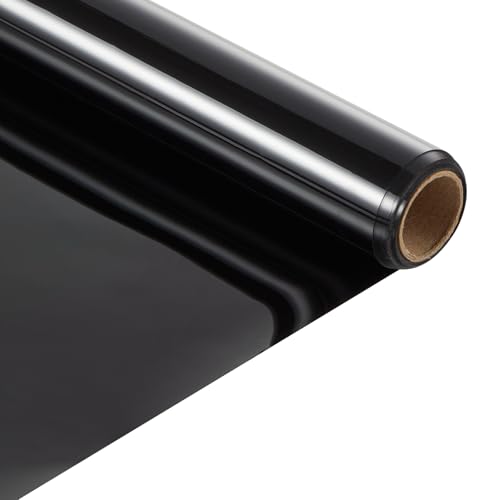
Best for daytime privacy without sacrificing overall visibility. This 20% VLT film offers ceramic heat reduction with minimal signal interference, supporting GPS and device use. It helps reduce infrared heat and glare, contributing to a cooler cabin and improved comfort on hot days. Better for drivers who rely on smartphones or navigation systems. Limitation: Slightly higher light transmission than darker tints, so privacy is not as pronounced at night.
Vepagoo Ceramic Car Window Tint Film, 5% VLT
Best for maximum privacy and a sportier appearance. The 5% VLT option provides deeper tint with the same no-interference signal benefits as other ceramic films. It’s well-suited for drivers seeking privacy and heat rejection in a single product. Caution: The darker tint may be more challenging to install perfectly on curved glass surfaces and could be restricted by local laws.
PAMAGOO Window Tint Car 35% VLT

Best for a balance of privacy and visibility with straightforward installation. Featuring an adhesive-free design, PAMAGOO includes a manual and video guide to help with DIY projects. It blocks 95% of UV rays and 88% of infrared rays to protect interiors and reduce heat. Caution: 35% VLT is mid-range; it may not offer the level of privacy some users want in urban areas.
Hallmark Cool Plus Ceramic Window Tint 70% VLT

Best for everyday visibility with notable heat and UV protection. The 70% VLT option offers a bright, clear view while helping block solar heat and UV rays. Suitable for drivers who prioritize a natural cabin feel with improved comfort, especially in sunny climates. Caution: Higher VLT means less privacy; consider darker options if privacy is a priority.
Buying Guide: Ceramic Window Tint For Cars
What should you consider when selecting a ceramic tint?
- Privacy needs: Do you want maximum darkness (5% or 15%) or more daylight visibility (70% or 20%)?
- Heat and UV protection: Look for high IR and UV rejection ratings; ceramic films typically perform well.
- Signal interference: Ceramic films are designed to avoid interfering with GPS and mobile devices.
- Installation style: Adhesive-based vs. adhesive-free setups affect ease of installation and reusability.
- Local regulations: Tints have legal limits; ensure your chosen VLT complies with state laws.
- Durability and maintenance: Scratch resistance and ease of cleaning extend film life.
How to choose by use case
- Daily commuting in hot climates: Prioritize high IR and UV rejection with adequate daytime visibility.
- Privacy-driven vehicles: Consider 5% or 20% VLT where legal, balancing privacy with night visibility.
- DIY projects: Look for adhesive-free options and clear installation guides to simplify setup.
Installation notes
- Follow manufacturer instructions for cleaning and surface preparation.
- Use appropriate tools to avoid air bubbles and ensure a smooth finish.
- Allow curing time as specified to maximize adhesion and performance.
Maintenance and longevity
- Avoid harsh chemicals that can degrade film; use mild cleaners and a soft cloth.
- Inspect for edge lift or peeling and address promptly to prevent further damage.
FAQ
- What is the advantage of ceramic window tint over traditional film?
– Ceramic tint offers better heat rejection, UV protection, and signal neutrality, reducing glare without interfering with electronics. - Will ceramic film affect my car’s GPS or phone signals?
– Most ceramic films are designed to avoid interference with GPS, cellular, and radio signals. - What VLT should I choose for city driving?
– For daytime driving in cities, 20% to 35% VLT provides a balance of privacy and visibility; check local laws for legality. - Is an adhesive-free tint easier to install?
– Adhesive-free designs can be easier for some DIY projects, but application experience varies by user and window shape. - Can I install tint on all car windows?
– Most tints are suitable for side windows and rear windows, but check local tinting regulations and vehicle-specific guidelines. - How do I maintain the film’s clarity?
– Clean with mild solutions and avoid abrasive cleaners; routine inspections help maintain visibility and performance.