Best Colored Aluminum Sheet Metal for Race Cars to Seek in 2026
When choosing colored aluminum sheet metal for race cars, expect lightweight, durable options that resist corrosion and are easy to cut and shape. This guide targets builders and restorers who want colored or anodized panels for bodywork, brackets, or decorative accents. The top picks below are suited for hobby racers, do-it-yourself builders, and shop professionals seeking reliable sheet stock with good fabrication properties.
| Product | Size / Thickness | Best For |
|---|---|---|
| DAJAVE 5052 H32 Aluminum Sheet (12x12x1/16″) | 12″ x 12″ x 1/16″ (1.5 mm) | Corrosion-resistant panels and supports; easy cutting for DIY race projects |
| DAJAVE 6061 Aluminum Sheet (6x12x1/16″) | 6″ x 12″ x 1/16″ (1.5 mm) | High weldability and formability; great for lightweight chassis or brackets |
| Shiketong 2 Pcs Colored Anodized Aluminum Sheets (0.8/1/2 mm; 200×300 mm) | 200 mm x 300 mm; thickness options | Color accents and small panels; ideal for visible race car details |
| OnlineMetals 5052 Aluminum Sheet (0.025″ x 24″ x 24″) | 0.025″ (0.63 mm); 24″ x 24″ | General-purpose panels, flat sheets, and fabrications for race cars |
| Eastwood 20-Gauge Aluminized Sheet Metal Kit (Various sizes) | Multiple sizes included in kit | Repair patches and performance sheet metal in classic builds |
DAJAVE 5052 H32 Aluminum Sheet

Material: 5052 aluminum alloy, known for high corrosion resistance and good strength. Size: 12″ x 12″ x 1/16″ (300 x 300 x 1.5 mm). The sheet is finished with a brushed look and deburred edges for clean machining and welding readiness. Best for: exterior and interior panels where rust resistance matters more than extreme stiffness. Limitation: 5052 does not respond to heat strengthening, so not ideal where peak strength is required after fabrication.
DAJAVE 6061 Aluminum Sheet

Material: 6061 aluminum, offering superior weldability, formability, and corrosion resistance with high toughness. Size: 6″ x 12″ x 1/16″ (150 x 300 x 1.5 mm). Finishing: finely polished and deburred surface. Best for: lightweight structural components and brackets where precision machining is needed. Limitation: 6061 is not as naturally formable as softer alloys in very tight radii, which may require careful bending and support.
Shiketong Colored Anodized Aluminum Sheets
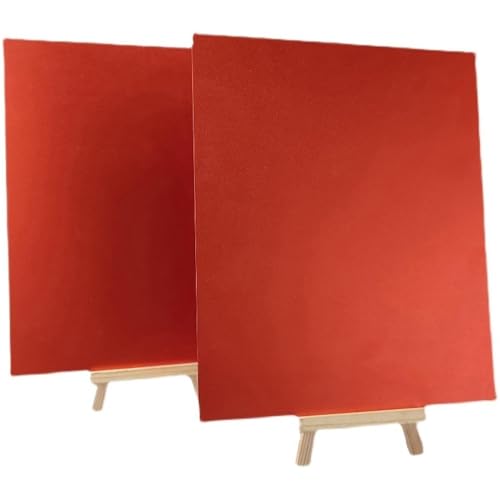
Material: 5052 anodized aluminum with color options including red, blue, gold, black, grey, and silver. Size: 200 x 300 mm with 0.8 mm/1 mm/2 mm thickness options. Best for: bright color accents, dashboard trim, or small panels where color stability under heat exposure is desirable. Limitation: thinner variants may be less impact resistant and require careful handling to prevent dents.
OnlineMetals 5052 Aluminum Sheet

Material: 5052 alloy, unpolished mill finish, H32 temper, 0.025″ thick, 24″ x 24″. Best for: roofing, siding, and parts that require lightweight, workable sheet metal with good corrosion resistance. Limitation: unpolished finish may require additional surface treatment for aesthetic exterior work on race cars.
Eastwood 20-Gauge Aluminized Sheet Metal Kit

Material: aluminized sheet metal designed for auto body repair and panel work. Kit includes several sheet sizes (12″ x 24″, 12″ x 12″, and 1″ x 24″). Best for: repairing or fabricating panels on race cars where corrosion resistance and weldability matter. Limitation: aluminized steel is heavier than aluminum and may require different handling and welding setup compared to aluminum sheets.
Buying Guide: Key Considerations For Race Car Sheet Metal
- Material Chemistry: Aluminum alloys like 5052 offer excellent corrosion resistance and formability, while 6061 provides higher strength and weld performance. Choose based on whether you prioritize weight, strength, or ease of fabrication.
- Thickness And Formability: Thicker sheets increase stiffness but add weight. For body panels, 1/16″ to 1/8″ (1.5–3 mm) is common, while thinner options are suitable for trim or lightweight brackets.
- Finish and Color: Anodized or colored sheets are ideal for visible accents. Ensure color stability under heat if used near exhaust or engine bays.
- Weldability and Machinability: 6061 is typically easier to weld than 5052; consider welding method and heat-affected zones when fabricating race parts.
- Size and Availability: Larger panels reduce seams but may require cutting and bending; match sheet sizes to your fabrication workflow and available equipment.
- Durability in Racing Environments: Look for corrosion resistance and surface treatments that withstand sweat, rain, and road debris common in regional racing.
Frequently Asked Questions
- What aluminum alloy is best for race car panels? – 5052 offers good corrosion resistance and formability; 6061 adds higher strength and weldability for structural parts.
- Should I choose colored anodized sheets for a race car? – Anodized or colored sheets provide aesthetic appeal and some surface protection, but verify heat exposure and wear expectations for the area.
- Can standard aluminum sheets be used for body panels? – Yes, for lightweight panels and brackets, especially if you prioritize weight savings and ease of fabrication.
- Are aluminum sheets hard to cut and shape? – With proper tools (tin snips, shears, or laser cutting), thin sheets are manageable; thicker sheets may require more robust equipment.
- Is aluminized steel a good substitute for aluminum in racing? – It offers corrosion resistance but is heavier; use when steel’s strength or heat tolerance is necessary and weight is less critical.
- What finishing steps improve race car sheet metal appearance? – Deburring, sanding, and sealing surfaces improve weld quality, paint adhesion, and overall aesthetics.