Best Engine Treatments for Burning Oil in 2026
Answering the question many drivers have: which engine treatments help curb burning oil and its symptoms? This guide highlights five practical products designed for engines showing oil consumption, blue smoke, and leaks. The buyers best suited are owners of high-mileage vehicles, trucks, and performance cars seeking to reduce oil burn, seal leaks, and improve overall engine cleanliness. A quick summary table below helps compare core details at a glance.
| Product | Best For | Key Benefit | Notable Limitation |
|---|---|---|---|
| STP High Mileage Oil Treatment + Stop Leak | High-mileage vehicles | Seal rejuvenation and anti-wear protection | Thickening in very old engines may affect oil levels |
| Lucas Oil 10001 Heavy Duty Oil Stabilizer | Everyday engines needing wear protection | Bulk lubrication and wear reduction | Mixing with other additives should be cautious |
| Lucas Oil 10003 Fuel Treatment | Gasoline and diesel engines needing fuel system cleaning | Fuel system cleaning and MPG improvement | Primarily fuel system oriented |
| Bar’s Leaks OS-1 Oil Seal | Smaller leaks and sealing issues | Seal gaskets and reduce burning | May require repeated use for persistent leaks |
| Lucas Oil 10118 High Mileage Oil Stabilizer | High-mileage engines | Less wear and quieter operation | Effect varies with engine condition |
STP High Mileage Oil Treatment + Stop Leak

Best for high-mileage engines, this 15 fl oz bottle combines an oil treatment with a stop-leak function. The product uses a high-viscosity formulation and includes ZDDP as an anti-wear agent to protect aging components. It also aims to rejuvenate seals and reduce leaks, noise, and smoking when added during oil changes. Suitable for cars, light trucks, and SUVs. Choose this if your engine has over 75,000 miles and you want a combined approach to wear protection plus leak sealing. Caution: in very tight engines or those with extreme leaks, results may vary and monitoring oil levels is advised.
- Best for high-mileage vehicles needing both wear protection and seal reinforcement
- Contains anti-wear agents to minimize metal-to-metal contact
- Recommended to add with every oil change
Lucas Oil 10001 Heavy Duty Oil Stabilizer

Best for everyday engines seeking added lubrication and wear protection, Lucas Oil 10001 is a widely recognized heavy-duty stabilizer. It is formulated with petroleum-based components to reduce friction and provide a protective film between moving parts. It is particularly useful for engines showing mild oil consumption or seeking quieter operation. Limitation: it is a stabilizer rather than a fuel system or sealing product, so use as a supplemental add-on rather than a sole solution for leaks.
- Best for broad wear protection in various engines
- Offers lubrication boost without major changes to fuel efficiency
Lucas Oil 10003 Fuel Treatment

Best for engines needing fuel-system cleaning and potential performance gains, Lucas Oil 10003 Fuel Treatment treats gasoline and diesel fuels, cleans and lubricates the fuel system, and may improve MPG. It serves as a practical tune-up-in-a-bottle for both gasoline and diesel engines, including injectors and the combustion chamber. Choose this when the oil burning issue is tied to fuel system inefficiency or carbon buildup. Limitation: not primarily an oil additive; its main focus is fuel system cleanliness and lubrication rather than direct oil seal restoration.
- Best for cleaning and protecting fuel systems
- Potential MPG improvement through cleaner injectors and chambers
Bar’s Leaks OS-1 Oil Seal

Best for sealing small oil leaks and reducing burning, Bar’s Leaks OS-1 Oil Seal is designed to work in gasoline and diesel engines, including modern turbocharged setups. It can renew worn valve seals and guides and may stop oil burning and blue smoke when used as directed. Choose this if you suspect seal wear is contributing to oil consumption. Caution: results depend on the severity of leaks; this product acts as a sealant, not a permanent fix for severe leaks.
- Best for sealing worn seals and reducing burning in many engines
- Can help minimize smoke and leaks when used properly
Lucas Oil 10118 High Mileage Oil Stabilizer
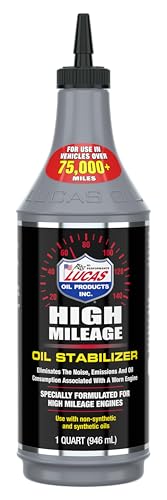
Best for high-mileage engines needing quiet operation and reduced oil consumption, Lucas Oil 10118 High Mileage Oil Stabilizer provides lubrication and noise reduction. It helps minimize wear for older engines and can contribute to smoother operation. Limitation: effectiveness can vary based on engine condition and may require ongoing use for noticeable benefits.
- Best for quieting older engines with higher mileage
- Helps reduce emissions and oil consumption signs associated with wear
Buying Guide
Choosing the right engine treatment for burning oil involves balancing your engine’s age, fuel type, and leak status. Consider these practical questions and answers to guide your selection.
What should I look for in an oil treatment for burning oil?
Look for a combination of wear protection, sealing capability, and fuel-system compatibility. High-mileage engines benefit from seal rejuvenation and anti-wear additives, while engines with fuel-system inefficiencies may gain from cleaners or stabilizers. Always read the label for compatibility with your oil grade and engine type.
Is a fuel treatment the same as an oil additive?
No. Fuel treatments target the fuel system, injectors, and combustion chamber to improve efficiency and reduce deposits. Oil additives improve lubrication, reduce friction, and seal leaks. Some products blend both functions, but their primary purpose should align with your primary symptom (burning oil vs. fuel-system buildup).
How should I use these products for best results?
Follow the product’s directions, typically adding with each oil change or per recommended interval. Do not mix multiple oil additives unless specified by the manufacturer. Monitor oil level and smoking signs after application and consult a mechanic if leaks persist or oil consumption worsens.
When is it time to see a mechanic?
If burning oil continues after treatment, if blue smoke persists, or if oil leaks are visible under the vehicle, seek professional assessment. Persistent burning or leaks may indicate worn piston rings, valve seals, or gasket failures that require repair beyond additive solutions.
How do I compare these options quickly?
Use a simple framework: high-mileage seal-focused products for leaks and seals (STP, Bar’s Leaks, Lucas 10118) vs. fuel-system oriented or stabilizing products for performance and efficiency (Lucas 10003 Fuel Treatment, DNL Diamond Nano-Lube, Rislone XTREME LUBE). For general wear protection, Lucas 10001 remains a common choice, while Bar’s Leaks adds targeted sealing actions.
FAQ
- Q: Can these products fix all oil-burning issues? A: They help with symptoms and minor seal wear, but severe engine damage may require mechanical repair.
- Q: Are these safe for diesel engines? A: Some are formulated for both gasoline and diesel engines; check the label for compatibility before use.
- Q: Will they improve fuel economy? A: Some fuel-treatments claim fuel-system cleaning can improve efficiency; results vary by engine condition and driving habits.
- Q: How often should I use oil stabilizers? A: Most stabilizers are added per oil change or per product instructions; avoid overuse.
- Q: Can I use more than one additive at once? A: Generally not recommended without manufacturer guidance; stacking results are not guaranteed and could cause mismatches.
- Q: Do these products void warranties? A: Consumers should review vehicle warranties and product compatibility; some additives may affect warranty terms depending on the jurisdiction.
These selections provide a practical set of options for buyers dealing with burning oil or related symptoms. Use the Buying Guide to pick the best match for your engine’s age, fuel type, and leak status, and consult with a technician if conditions do not improve after treatment.