Best External Fuel Pumps for Carburetors: Reliable Picks for 12V Systems 2026
When your carburetor needs consistent fuel delivery, a dependable external fuel pump is essential. This guide highlights five 12V external pumps that are well-suited for carburetor engines in cars, boats, lawn equipment, and generators. Each option balances flow, pressure, and installation ease to help you avoid vapor lock and flooding. Ideal buyers include DIY enthusiasts, racers seeking steady fuel delivery, and owners replacing aging pumps who want straightforward mounting and a complete kit.
Below is a quick reference table of the selected products to simplify side-by-side comparison:
| Product | Key Specs | Best For |
|---|---|---|
| ENGINEMAN Micro Electric Gasoline Fuel Pump | 35 GPH, 4-7 PSI, 12V | High-demand V8s, compact spaces |
| ENGINEMAN Universal Electric Fuel Pump 12V | 25-30 GPH, 2.5-4.5 PSI | Broad 12V compatibility, versatile use |
| CarBole 12V Electric Fuel Pump | 35 GPH, 5-9 PSI | Most carburetor engines, 12″ mounting rule |
| ENGINEMAN Universal 12V Electric Fuel Pump (5-9 PSI) | 35 GPH, 5-9 PSI | Performance needs with stable pressure |
| EVIL ENERGY/CarBole Options | 200-300 LPH variants, 75 PSI typical | EFI systems, higher flow |
ENGINEMAN Micro Electric Gasoline Fuel Pump Review
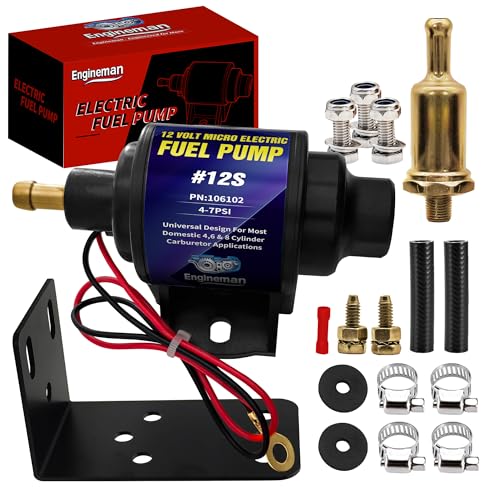
This pump provides 35 GPH at 4-7 PSI, a strong match for carburetors requiring steady yet modest pressure. It is designed for 12V systems and includes a mounting bracket, fuel filter, and 5/16″ hoses. The compact form aids installation in tight engine bays. Best for: smaller to mid-range engines in trucks, boats, or generators where space is limited. Caution: ensure wiring and mounting keep within 12″ of the tank to maintain prime and avoid vapor lock in steep mounting configurations.
ENGINEMAN 12V Pump With Inline Low-Pressure Design

This model delivers 2.5-4.5 PSI and 25-30 GPH, offering reliable low-pressure fuel transfer for carburetor engines. It emphasizes durability with copper motor components and a built-in check valve to reduce backflow. Best for: generic 12V carburetor setups across trucks, boats, and lawn equipment. Consideration: its low-pressure range may not be ideal for high-RPM performance engines or large V8s requiring higher flow.
CarBole 12 Volt Electric Fuel Pump 5-9 PSI
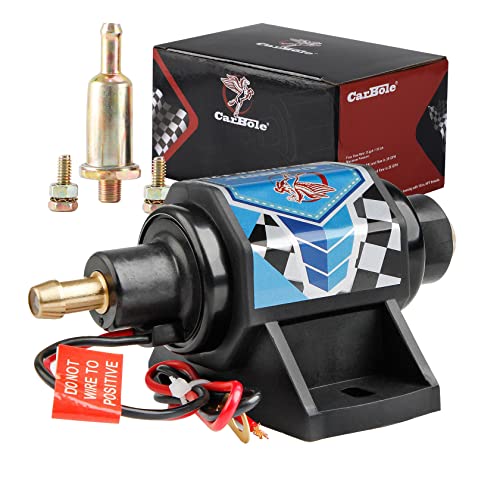
With 5-9 PSI and 35 GPH, this pump fits many carburetor engines needing higher pressure. It requires mounting within 12 inches of the fuel tank and uses 5/16″ inlet/outlet fittings. Best for: carburetor engines in older cars or light trucks where precise but stronger fuel pressure is needed. Limitation: ensure compatibility with your specific carburetor and fuel line diameter before installation.
ENGINEMAN 12V 5-9 PSI Fuel Pump, 35GPH, Super 12S Plus

This high-performance pump delivers 130 L/H (~34.3 GPH) at 5-9 PSI with pressure-stabilization features, designed for carbureted engines in muscle cars and performance vehicles. Best for: applications needing steady fuel delivery during high-RPM operation. Caution: the installation kit is essential for proper mounting and to ensure the sensor and return lines function without flooding.
EVIL ENERGY External Inline Fuel Pump 300LPH
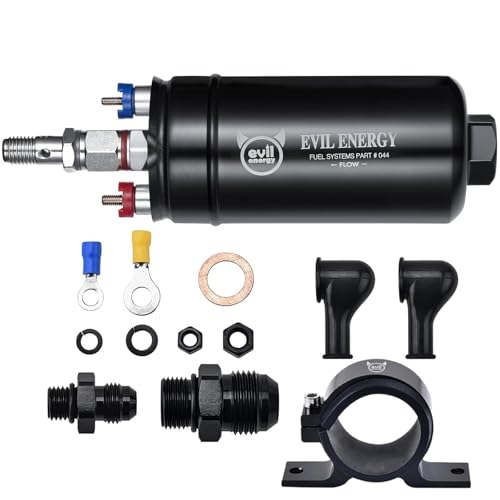
This 300 LPH inline pump targets higher-flow EFI setups but is also compatible with gasoline and diesel fuels. Pressure ranges reach into higher PSI, making it suitable for performance or auxiliary tanks. Best for: racers or enthusiasts needing robust fuel delivery beyond standard carburetor needs. Caution: ensure the selected model matches your system’s voltage and pressure requirements to avoid over-pressurization.
CarBole Micro Electric Fuel Pump 4-7 PSI

This small pump maintains 4-7 PSI with 35 GPH flow, compatible with most domestic carburetor applications. It suits fuel transfer tasks and acts as a booster in multi-tank setups. Best for: compact builds or vehicles with limited space where you still need reliable fuel delivery. Limitation: check hose sizing and mounting clearance in tight installations.
Buying Guide: Key Considerations for External Carburetor Pumps
- Fuel type and compatibility: Verify the pump supports gasoline and your system’s specific mix. Some models mention diesel or race fuels; ensure you choose one intended for gasoline carburetors.
- Flow vs. pressure: Match GPH and PSI to your carburetor needs. Higher RPM or larger engines may benefit from higher flow and pressure, while smaller engines may require gentler delivery to avoid flooding.
- Mounting and reach: Note the 12-inch mounting rule common across kits. Consider engine bay space and hose routing to prevent kinks and vapor lock.
- Installation kit: A complete kit (bracket, filter, hoses, wiring) speeds up DIY installs and reduces extra purchases.
- Durability and materials: Copper or robust plastics can affect longevity in extreme temperatures. Check temperature tolerance and backflow prevention features.
- Best use cases: Distinguish between pumps best for boosters, standby, or primary transfer to decide which is right for your setup.
Frequently Asked Questions
- What is the typical PSI range needed for most carburetors? – Most carburetor systems perform well with 2-9 PSI, depending on engine size and fuel delivery design.
- Do these pumps come with a mounting kit? – Several listed options include a mounting bracket, filter, hoses, and wiring for DIY installation.
- Can I use these pumps for boats or lawn equipment? – Yes, many pumps are designed for universal 12V use and work across trucks, boats, lawnmowers, and generators.
- What are common failure signs for external pumps? – Inconsistent fuel pressure, hard starting, or stalling during acceleration can indicate pump wear or backflow issues.
- Should I choose a higher PSI pump for a small carb engine? – Not always; higher PSI can lead to flooding if the carburetor isn’t designed for it. Match to your carburetor’s specifications.
- Is a complete installation kit essential? – A kit simplifies wiring and mounting and reduces the risk of leaks or misalignment during DIY installation.