Best Oil Additive for Lifters: Top Choices for Quiet, Smooth Valvetrain Performance 2026
Answering the common question for vehicle owners: which oil additive best improves lifter lubrication and quiets ticking? This guide highlights five options that target hydraulic lifters and valvetrain health. Each product is chosen for clarity of purpose, ease of use, and potential to reduce lifter noise and wear. Best for everyday drivers, DIY enthusiasts, and engines with ticking lifters. The table below compares key picks at a glance to help you decide quickly.
| Product | Best For | Key Benefit |
|---|---|---|
| Liqui Moly Hydraulic Lifter Additive | Daily drivers with lifter noise | Lubrication boost; cleans valve bores |
| Hot Shot’s Secret Tick Fix + Protect | Engines with sticking lifters | Restores smooth valvetrain; FR3 Nano tech |
| Liqui Moly MoS2 Anti-Friction Engine Treatment | High-mileage or high-load engines | High-load friction film; quieter operation |
| LIQUII MOLY 20004 Hydraulic Lifter Additive | Vehicles with turbochargers or cats | Lubrication improvement; cleans valve bores |
| TriboTEX Nano Oil Additive | Older engines and high-mileage restorations | Diamond-like carbon coating; quieter bearings |
Liqui Moly Hydraulic Lifter Additive

Brand: Liqui Moly. Features include improved lubrication properties, cleaning action for valve bores, and compatibility with turbocharged engines and vehicles with catalytic converters. Best for drivers experiencing mild lifter ticking or wanting to maintain clean valve bores. Caution: results vary with engine design and existing wear; treat as a preventive measure rather than a fix for severe wear.
Hot Shot’s Secret Tick Fix + Protect

Brand: Hot Shot’s Secret. This additive aims to restore smooth valvetrain operation by freeing sticking or collapsing hydraulic lifters and improving oil flow. It also uses FR3 Nano Technology to reduce friction and wear. Best for engines with persistent lifter tick or rough operation at idle or light throttle. Choose this if noise persists after a routine oil change; avoid if the engine shows severe mechanical damage or internal backlash.
Liqui Moly MoS2 Anti-Friction Engine Treatment

Brand: Liqui Moly. An oil additive featuring MoS2 anti-friction properties that forms a high-load bearing film. Best for high-mileage or high-stress engines and those seeking smoother RPM behavior. It’s particularly noted for enhanced control at high revs. Caution: MoS2 performance depends on oil type and engine condition; not ideal as a standalone fix for severe internal damage.
LIQUII MOLY 20004 Hydraulic Lifter Additive

Brand: Generic. This 300 ml additive focuses on improving oil lubrication properties and cleaning valve bores, with suitability for turbocharged and catalytic converter-equipped vehicles. Best for owners seeking a straightforward lifter-focused formula. Limitation: generic branding may reflect broader compatibility; verify compatibility with your exact engine spec before use.
Prolube Oil Treatment
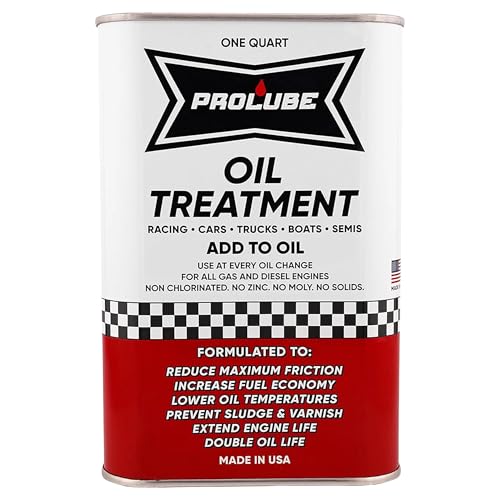
Brand: Prolube. Engine oil treatment designed to reduce wear, noise, and vibration while boosting fuel economy and horsepower. Suitable for gasoline and diesel engines and can influence transmission and differential performance. Best for drivers seeking an all-in-one additive for multiple drivetrain components. Limitation: claims cover broad benefits; verify that the product meets your vehicle’s API/ILSAC specification needs before use.
Lucas Oil 10118 High Mileage Oil Stabilizer
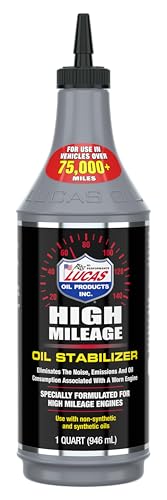
Brand: LUCAS OIL. This stabilizer targets high-mileage engines to lubricate internal parts, minimize wear, and address noise and oil consumption associated with worn engines. Best for older engines showing lifter or valve train symptoms. Limitation: effectiveness may be reduced in engines with significant mechanical wear or head gasket issues.
TriboTEX Nano Oil Additive
TriboTEX Nano Oil Additive
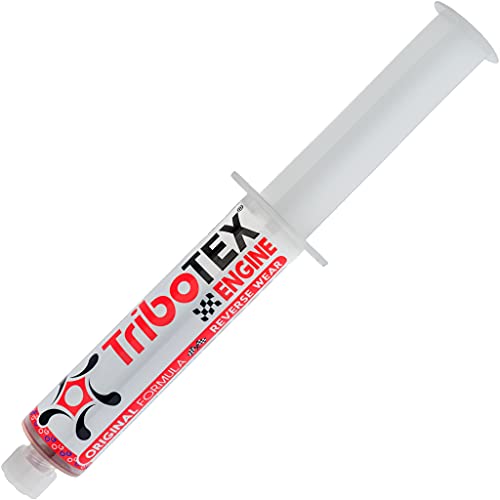
Brand: TriboTEX. Uses synthetic nanoparticles to build a diamond-like carbon coating, aiming for quieter and smoother performance. Best for high-mileage cars and engines where wear is a concern. Limitation: technology-heavy claims may require more documentation for some engines; test compatibility with your oil and engine type.
Buying Guide: Key Considerations For Lifters
- Engine type and condition: Newer engines with precise tolerances respond to lubricity additives differently than high-mileage or worn engines.
- Lifter tick cause: If ticking stems from restricted oil passages, cleaners and lubricants may help; if due to mechanical wear, additives may provide limited relief.
- Oil base and compatibility: Check compatibility with your synthetic or conventional oil. Some formulas are universal, while others target specific oil types.
- Turbochargers and emissions equipment: Additives labeled for turbo or catalytic converter compatibility help ensure no adverse interactions with exhaust aftertreatment.
- Friction reduction mechanism: MoS2-based or nanoparticle tech may offer different friction-reduction dynamics; consider your engine’s load and RPM profile.
- Usage pattern: Some products are designed for regular maintenance, others for short-term fixes. Align with your driving habits and maintenance schedule.
Frequently Asked Questions
- Will oil additives fix a noisy lifter immediately? Most additives aim to reduce noise over time; immediate results vary by cause and engine condition.
- Are lifter additives safe for turbocharged engines? Many are formulated for turbo engines, but always verify compatibility with your specific model and OEM guidelines.
- Can I use multiple additives at once? Generally not recommended; mixing can alter lubricant properties unpredictably. Choose one that best fits your needs.
- Do high-mileage engines benefit more from these additives? High-mileage engines often see more wear and sludge buildup, where certain additives can help improve lubricity and noise reduction.
- How often should I use an oil additive? Follow the product’s directions and your vehicle’s maintenance schedule; excessive use is not typically beneficial.
- Should I consult a mechanic for lifter noise? Yes if noise is persistent, increases, or accompanied by loss of power, oil consumption, or overheating.