Best Oil Filter for Compressor: Top Picks for Clean, Dry Air Delivery 2026
If you’re selecting an oil filter for a compressor, you want dependable filtration that keeps oil clean and protects your equipment. This guide highlights five reliable options, each best for different user needs—from industrial setups to hobbyist kits. The top picks cover oil filtration, moisture separation, and compatibility with common compressor brands. Use the sections below to compare features, find the best fit, and avoid common pitfalls.
Overview of selected products:
| Product | Best For | Why It Stands Out |
|---|---|---|
| FLTRUCKTOP Filter Kit | Replacement parts for Ingersoll-Rand UP5/UP6 | Comprehensive kit with multiple filters for easy maintenance |
| 3/4″ NPT Industrial Air Dryer | Industrial dryers with multi-stage filtration | Three-stage filtration and moisture removal for clean air |
| NANPU Filter Regulator Lubricator Combo | 3-in-1 filtration with handy gauge | Compact piggyback unit with good filtration and long life |
| OEM-Equivalent Oil Filter (Moisture Boss) | OEM-compatible filter replacements | Broad OEM compatibility and heavy-duty filtration |
| GX-PUMP High-Pressure Filter | High-pressure PCP and air systems | Ultra-clean filtration for demanding high-pressure use |
FLTRUCKTOP Filter Kit for Ingersoll-Rand UP5 UP6

The FLTRUCKTOP kit replaces part numbers 24121212, 39329602, and 88171913 and is compatible with Ingersoll-Rand UP5 UP6 screw air compressors. This set includes oil and air filters intended for straightforward maintenance. Best for technicians or shop owners who need a ready-to-use replacement kit for midrange upgrades. A potential limitation is that compatibility is focused on specific IR models, so verify your unit before purchase.
3/4″ NPT Industrial Air Dryer With Filter System

This three-stage air dryer delivers robust filtration and moisture removal, suitable for high-pressure industrial environments up to 240 PSI. It’s best for manufacturing settings or workshops needing continuous dry air and reliable maintenance indicators. The second-stage filter provides a visual green indicator when replacement is needed, which helps with maintenance planning. Note that installation requires proper sealing to prevent leaks.
NANPU 3/8″ NPT Filter Regulator Lubricator Combo

The NANPU unit combines a filter, regulator, and lubricator with a 3/8″ NPT connection. It operates up to 125 PSI and uses a 5-micron brass filter element for solid filtration and longer life. Best for compact shop setups or portable applications where space is limited. It is a practical choice when you want to reduce the number of separate components, though the 125 PSI limit means it may be less suited for higher-pressure systems.
Moisture Boss Oil Filter for Air Compressors
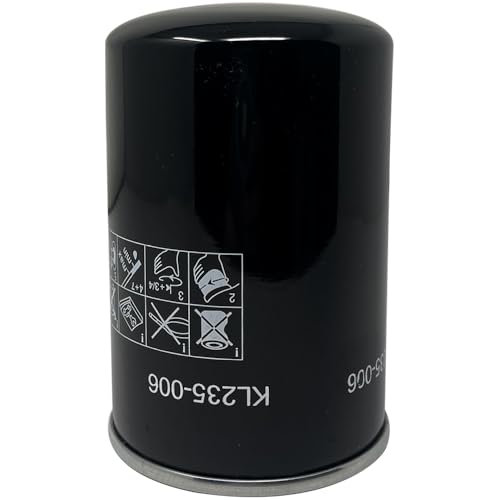
Designed as an OEM-compatible oil filter, this model covers a wide range of brands including Atlas Copco, Ingersoll Rand, Purolator, and many others. It emphasizes meeting or exceeding OEM standards and uses heavy-duty media to prevent leaks. Best for users who want a direct replacement that aligns with established OEM form factors. A caveat is that some fitments may require exact part-number matching to ensure compatibility.
GX-PUMP High-Pressure PCP Oil/Water Separator

Geared toward PCP air systems and high-pressure use up to 5800 PSI, this filter features a dual-layer purification system with activated carbon and molecular sieves. It aims to remove oil, water, and microscopic particles down to 0.01 μm. Best for enthusiasts or professionals using high-pressure air applications where superior filtration is essential. Limitations include the need for compatible mounting and potential overkill for low-pressure tools.
Buying Guide: Key Considerations For Choosing A Compressor Oil Filter
- Filter type and stage: Choose single, dual, or multi-stage filtration based on how clean your air needs to be. Three-stage systems offer the best moisture and particle control for sensitive equipment.
- Compatibility: Verify brand and model compatibility. Some filters are designed for specific makes (Ingersoll-Rand, Atlas Copco, etc.).
- Pressure rating: Check the maximum operating pressure. High-pressure systems require filters rated for higher psi to avoid performance drops.
- Maintenance indicators: Visual or color-change indicators help schedule timely replacements and prevent performance dips.
- Aperture size and micron rating: Finer filtration (lower micron numbers) removes smaller contaminants but may increase maintenance frequency.
- Ease of installation: Look for units with straightforward threading (NPT) and clearly labeled inlet/outlet orientations.
- Budget and footprint: Combine space requirements with cost. Multi-unit kits can reduce setup complexity but may be larger or heavier.
Frequently Asked Questions
- What is the difference between an oil filter and a moisture separator?—An oil filter targets oil particulates, while a moisture separator removes water from compressed air to prevent corrosion and equipment wear.
- How often should I replace filter elements?—Replacement intervals depend on usage, air quality, and indicator signals; follow maintenance indicators and manufacturer guidelines.
- Can I mix brands for different parts of the system?—Yes, but ensure compatibility with threads, pressures, and overall system design to avoid leaks or performance issues.
- Is a higher micron rating always better?—Not necessarily. A lower micron rating captures finer contaminants but may require more frequent replacements and can reduce airflow if overly restrictive.
- What maintenance steps are essential after installation?—Check seals for leaks, ensure proper sealing tape on threads, verify indicator lights, and replace filters per the indicated schedule.
- Do these filters apply to DIY or hobbyist setups?—Yes, several options target smaller systems, making them suitable for hobbyists who still require clean, dry air.