Best Parking Sensors for Cars: Top Picks and Buying Guide 2026
If you need safer, easier parking, these parking sensors for cars help you avoid scrapes and collisions. This guide highlights five top options suited for different buyers—new drivers, home garage owners, and those who want quick installation. Use the quick comparison table below to narrow options, then read detailed product sections to find the best fit for your vehicle and space.
| Product | Best For | Key Benefit | Notes |
|---|---|---|---|
| Aiuphing Car Parking Sensors | Budget-friendly vehicles | Basic rear obstacle detection | Simple setup |
| ELSNU Backup Parktronic | Front and rear sensing | Six-sensor layout with front & rear alerts | Dual-front sensors convenience |
| Fosmon Wider Angle Parking Guide | Home garages | Wider laser angles for tight spaces | Great for garages |
| JDMSPEED 4-Pc Rear Bumper Sensors | OEM replacements | Vehicle-specific compatibility | Replacements for various models |
| Purthog LED Garage Parking Aid | Garage-only parking | LED distance indicators and dual power | Visual stop indicators |
Aiuphing Car Parking Sensors Kit with LED Display

Best for budget-conscious buyers who want straightforward rear-obstacle detection. This kit automatically detects obstacles behind the car when reversing and provides a simple LED/ audible alert. It’s suitable for entry-level setups on sedans, hatchbacks, and light SUVs. The included 2.5m sensor wire supports common vehicle layouts. A potential limitation is basic display and alarm features without advanced front sensing.
ELSNU 8-Sensor Parktronic System with LCD Display

The ELSNU setup is best for buyers seeking broader coverage and front/rear sensing. It activates rear sensors when reversing and front sensors when moving forward to help in narrow passages. The system uses six sensors (back, left, right, and front areas) and includes an LCD distance display with sound cues. Great for drivers who regularly navigate tight spots or garage alleys. A limitation: the front-sensing feature may remain active for a short period after brakes release, which could cause over-caution in some environments.
Fosmon Wider Angle Upgrade, Dual Laser Parking Guide
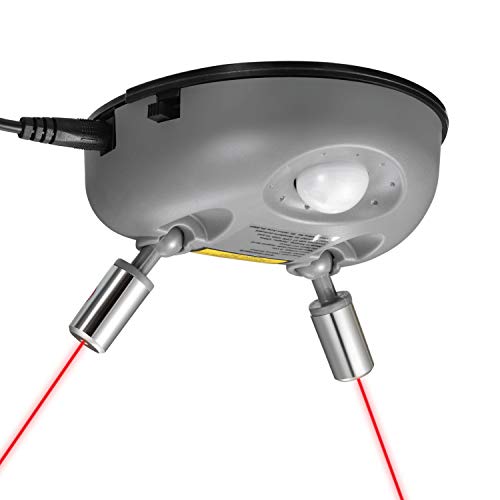
The Fosmon system is ideal for garage setups with space constraints. Its dual lasers provide up to 75-degree angle coverage, aiding accuracy when two cars may share a garage. It’s described as motion-activated with a 33-foot range and auto-shutdown after 30 seconds of no motion. This makes it well-suited for frequent parking in tight garages. A potential caveat is that laser-based guidance relies on correct alignment and adequate power supply for steady operation.
JDMSPEED Rear Bumper Sensor Set (4 Pcs) Replacement

This kit targets owners seeking OEM-style sensor replacements. It includes four sensors and is listed as compatible with multiple GM, Buick, Cadillac, and GMC models. Choose this if you’re replacing failed sensors rather than adding a new system. Best for drivers who want seamless integration with existing vehicle aesthetics. Limitation: compatibility depends on exact vehicle model year and trim, so verify fitment before purchase.
Purthog 2026 LED Garage Parking Aid

The Purthog system is tailored for garage use with a dual power option (USB-powered from a wall outlet or battery power with AAA cells). It features red, yellow, and green LED indicators to signal stopping distance. The distance range and a quick distance-setting button provide simple customization. Best for garages with readily available outlets or where battery replacements are convenient. Limitation: LED indicators require unobstructed exterior mounting and proper wiring or battery maintenance.
Buying Guide
What should I look for in a parking sensor system?
Key factors include sensor count (rear-only vs. front and rear), mounting style (bumper-mounted vs. integrated), alert type (LED, audible, or both), and power options. More sensors increase coverage but may require more complex installation.
Wired vs. wireless systems
Wired systems tend to be more reliable with fewer interference issues but can require more installation effort. Wireless kits are easier to install but may experience signal interference in dense environments.
Installation considerations
Check if the kit is designed as OEM-style replacement or universal fit. Confirm compatibility with your vehicle’s model year and trim. Verify if the display unit is easily visible from the driver’s seat and whether the alarms are adjustable for volume and frequency.
Power and durability
LED indicators and audible alerts should be bright and clear. Look for systems with robust housing and weather-resistant sensors. If you garage in winter or humid climates, confirm sensor durability and connector protection.
How many sensors do you actually need?
Rear parking sensors are standard for most cars. Front sensors and side sensors add coverage in tight spaces or crowded garages. If you frequently park in narrow lanes or near walls, a six-sensor or eight-sensor setup may be advantageous.
Compatibility and replacement parts
For replacements, ensure compatibility with your vehicle’s make, model, and year. Some aftermarket sets advertise broad compatibility, but verify exact fitment with your car’s bumper design and sensor hole spacing.
FAQ
- What is the main benefit of a parking sensor? It provides a warning when obstacles are near, helping prevent scrapes and collisions during parking.
- Can I install a parking sensor kit myself? Many kits are designed for DIY installation, especially bumper-mounted and solar/wireless options. Some require basic tools and moderate vehicle knowledge.
- Do these systems work in all weather? Most sensors are weather-resistant, but performance can vary with extreme conditions; verify IP ratings and mount protection.
- Should I choose front sensors in addition to rear sensors? Front sensors help in narrow spaces and when crossing driveways; they are beneficial for frequent tight parking or urban garages.
- How do I know which kit fits my car? Check the vehicle’s make, model, year, and bumper sensor hole spacing. Use product compatibility lists or contact the seller for confirmation.
- Are sensors always accurate? Sensor readings depend on sensor placement, bumper design, and calibration. Follow setup instructions to optimize accuracy.