Best Sensor Cleaner for Cars: Top Picks to Improve Airflow and Engine Performance 2026
Getting cleaner sensor readings can improve throttle response, fuel economy, and overall driveability. This guide highlights five top sensor cleaner products designed for automotive use. It explains who each product is best for, what it cleans, and practical buying tips. Use this to choose a cleaner that matches your vehicle type, maintenance routine, and emission requirements.
Summary at a glance: the table below compares five popular sensor cleaners, focusing on purpose, best for, and notable cautions.
| Product | ||
|---|---|---|
| CRC 05110 Mass Air Flow Sensor Cleaner | Gasoline engines with delicate MAF sensors | Plastic-safe; dries quickly |
| Gumout 540041 Professional MAF Cleaner Spray | Delicate MAF sensors needing precise cleaning | Avoid over-saturation of sensor housing |
| MPD PRO Mass Air Flow Sensor Cleaner Spray | Professional-grade cleaning without residue | Designed for delicate sensors |
| WD-40 Specialist Contact Cleaner | Electrical connections and sensor wiring | Test on plastics; avoid screens |
| OXiCAT Oxygen Sensor & Catalytic Converter Cleaner | Exhaust-system cleaning to reduce deposits | Should not replace a damaged catalytic converter |
CRC 05110 Mass Air Flow Sensor Cleaner
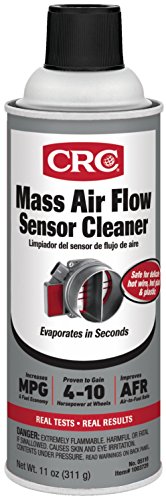
What it cleans and how it helps: CRC’s Mass Air Flow Sensor Cleaner is formulated to remove contaminants from MAF sensors, which enhances air/fuel ratio and can improve miles per gallon. It’s plastic-safe and dries quickly, making it convenient for quick maintenance. This product is best for gasoline engines with MAF sensors that show signs of dirty readings or reduced fuel economy.
Who it’s best for: This cleaner is ideal for owners who want a straightforward, fast-acting spray for MAF sensors without disassembly. It’s particularly suitable for regular maintenance between more intensive servicing.
Why selected: It directly targets the MAF sensor, a common pain point for modern engines, and is designed to be safe on plastic components while delivering fast evaporation to minimize downtime.
Caution: Use as directed; overuse or contact with non-target plastic parts can cause temporary cleaning residue if not allowed to dry fully.
CRC 05103 QD Electronic Cleaner

What it cleans and how it helps: CRC QD Electronic Cleaner is a fast-evaporating formula designed for sensitive electronics. It provides a resin-free, residue-free clean suitable for computer components, controllers, circuits, contacts, and various plastics. For sensor-related electronics, this cleaner helps remove residues that could cause contact failure or erratic readings.
Who it’s best for: Automotive technicians or DIYers cleaning sensor electronics, connectors, or control modules, especially where delicate plastics and circuits are involved.
Why selected: Its quick-drying, residue-free formulation minimizes downtime and helps maintain reliable electronic sensor operation without leaving films.
Caution: Use away from painted surfaces and ensure power is off before application to avoid short circuits.
Gumout 540041 Professional MAF Cleaner Spray

What it cleans and how it helps: Gumout’s Professional MAF Cleaner is designed to safely clean delicate MAF sensors, removing dirt, oil, and pollen that impair airflow readings. This helps restore sensor accuracy, leading to improved fuel economy and throttle response. The product is formulated to be safe for sensitive components while effectively cleaning the sensor surface.
Who it’s best for: Drivers experiencing rough idle, hesitation, or reduced fuel efficiency who want a targeted cleaner for MAF sensors without disassembly.
Why selected: It emphasizes restoring accuracy and throttle response by directly addressing contaminants on the MAF sensor, a frequent source of performance issues.
Caution: Avoid spraying into the intake directly without proper access; follow manufacturer instructions for application on the sensor opening.
MPD PRO Mass Air Flow Sensor Cleaner Spray
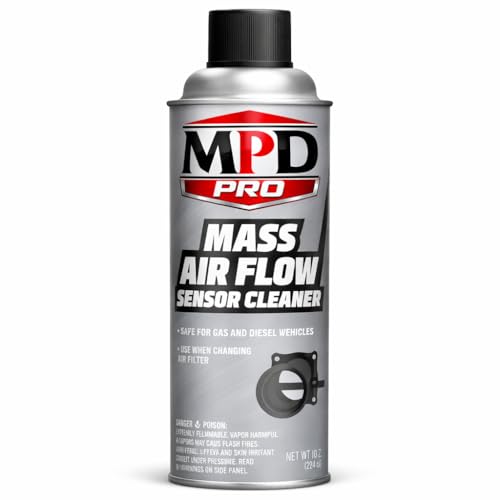
What it cleans and how it helps: MPD PRO’s MAF Sensor Cleaner is a professional-grade formula that cleanly dissolves oil, dirt, and contaminants from MAF sensors without leaving residue. It helps restore proper airflow readings, which supports engine performance, throttle response, and fuel economy. The cleaner is formulated to be safe for delicate sensors and plastic components.
Who it’s best for: Professionals and DIYers seeking a high-pidelity cleaner for MAF sensors, especially in vehicles with performance tuning or sensitive electronics.
Why selected: It’s designed to maintain accuracy while avoiding residue that could interfere with sensor sensors, making it a reliable choice for repeated cleanings.
Caution: Use in a well-ventilated area and ensure sensor electronics are powered down during cleaning.
OXiCAT Oxygen Sensor & Catalytic Converter Cleaner
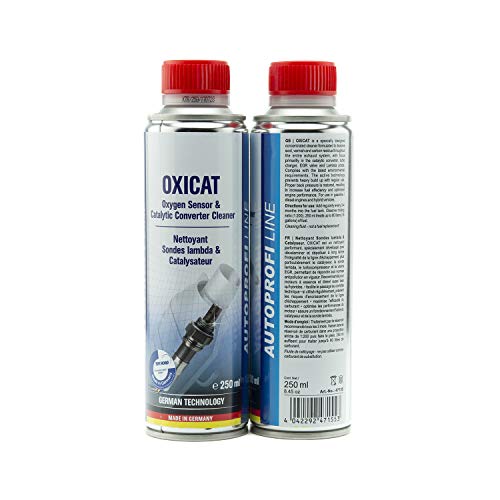
What it cleans and how it helps: OXiCAT cleans the entire exhaust system, including oxygen sensors and catalytic converters, by dissolving soot and carbon deposits. Regular use can help prevent buildup that might cause emissions-related issues or degraded sensor readings. This cleaner is compatible with petrol, diesel, and hybrid vehicles when used as directed.
Who it’s best for: Vehicle owners aiming to reduce emissions-related deposits across the exhaust system and maintain sensor accuracy as part of a broader maintenance routine.
Why selected: It addresses the broader emissions pathway, not just the sensor, making it a good companion product for vehicles with suspected exhaust deposits affecting sensor performance.
Caution: Do not expect a repair for physically damaged components; ensure the exhaust system is intact before use.
Buying Guide: How To Choose The Right Sensor Cleaner
What should you consider when selecting a sensor cleaner for cars?
- Targeted cleaning: Choose a cleaner designed for the sensor you want to service (MAF sensors, oxygen sensors, or electronics near sensors).
- Material safety: Look for products labeled plastic-safe or compatible with sensitive plastics and electronics.
- Drying time: Fast-evaporating formulas minimize downtime and reduce the chance of residue after cleaning.
- Residue risk: Cleaners advertised as residue-free help prevent re-contamination of sensors after use.
- Compatibility: Ensure the cleaner is appropriate for your vehicle’s fuel type (gasoline, diesel, hybrids) and emission controls.
- Application scope: Some cleaners address only the sensor, while others cover the entire exhaust system. Decide what level of coverage you need.
- Safety and precautions: Follow directions for disassembly, power down procedures, ventilation, and test recommendations to avoid damage.
Frequently Asked Questions
- Do sensor cleaners damage sensors? If used as directed and for the intended sensor type, they are designed to be safe. Always follow the label and avoid oversaturation.
- Can I use any spray on automotive electronics? Use electronics cleaners specifically formulated for electrical components. General solvents can leave residues or damage plastics.
- How often should I clean MAF sensors? Cleaning frequency depends on driving conditions; more frequent cleaning may be needed in dusty or high-oil environments.
- Will cleaning fix a faulty catalytic converter? Cleaning helps remove deposits but cannot repair a cracked or damaged converter. Replace if structural issues exist.
- Is it safe to use a sensor cleaner on a hybrid vehicle? Yes, provided the product is labeled for use with hybrid systems and follows the manufacturer’s guidelines.
- Should I use multiple cleaners together? Generally no. Use the cleaner that matches the target sensor and avoid mixing formulations to prevent unintended residues.