Best Sheet Metal for Cars: Top Auto DIY Plates 2026
Answering the question for DIY auto enthusiasts: these sheet metals are best for fabrication, repairs, and chassis-related projects. The top picks below are categorized by gauge, size, and weldability to help buyers choose what fits their skill level and project needs. The table compares key specs to aid quick decisions for common auto repair tasks, prototyping, and custom fabrications.
| Product | Gauge / Thickness | Size | Material | |
|---|---|---|---|---|
| Yudylg 5 Pack 20 Gauge | 20 GA | 12″ x 6″ | Cold Rolled Steel | Light to medium structural work, prototypes |
| Alffun 4 Pcs 18 Gauge | 18 GA | 12″ x 9″ | Cold Rolled Steel | Welding, mounting brackets, chassis supports |
| WENHUALI 4 Pcs 20 Gauge | 20 GA | 12″ x 6″ | Cold Rolled Steel | DIY projects, precision parts |
| Hicarer 4 Pcs 18 Gauge | 18 GA | 9″ x 12″ | Cold Rolled Steel | Compact fabrications, car chassis components |
| ZAVOOS 6 Pack 16 Gauge | 16 GA | 12″ x 9″ | Cold Rolled Steel | Heavier duty panels and supports |
Choose based on project requirements: thinner sheets are easier to cut and shape but offer less load-bearing capacity; thicker sheets provide rigidity for structural parts but require stronger tools. Consider welding method, heat tolerance, and finish quality for final assemblies.
Yudylg 5 Pack 20 Gauge Sheet Metal

Material and finish: Premium 20 gauge mild steel, cold rolled for a smooth surface. This sheet is weldable and suitable for precise fabrications. Best for beginners or hobbyists tackling small automotive repairs and prototype components. Caution: some users may need more rigid sheets for high-stress automotive loads. Selection note: 12″ x 6″ size fits small panels and brackets without excessive waste.
Alffun 4 Pcs 18 Gauge Sheet Metal Plates

What this set offers: four 12″ x 9″ sheets in 18 gauge steel, coated with a light protective oil to minimize oxidation during shipping. Best for professional and DIY users needing stronger panels for brackets, repair patches, and small chassis components. Limitation: oil coating requires cleaning before welding or painting for best results. Choice tip: ideal when you need more material area per sheet and stronger welds than 20 gauge.
WENHUALI 4 Pcs 20 Gauge Sheet Metal

Best for: DIY projects and professional work requiring a balance of formability and strength. The flat, burr-free edges reduce wear on tools and minimize workpiece distortion. Limitation: 12″ x 6″ size may require several pieces for larger panels. Recommendation: choose this if you need consistent 20 gauge steel with reliable weldability for small automotive fabrications.
Hicarer 4 Pcs 18 Gauge Sheet Metal

Best use case: four 9″ x 12″ sheets in 18 gauge for car chassis components or high-stress brackets. The data highlights easy cutting, welding, and bending. Caution: some shipments may show surface oxidation due to moisture during transit. Choose this option for higher strength per area and better vibration absorption for automotive frames.
ZAVOOS 6 Pack 16 Gauge Sheets
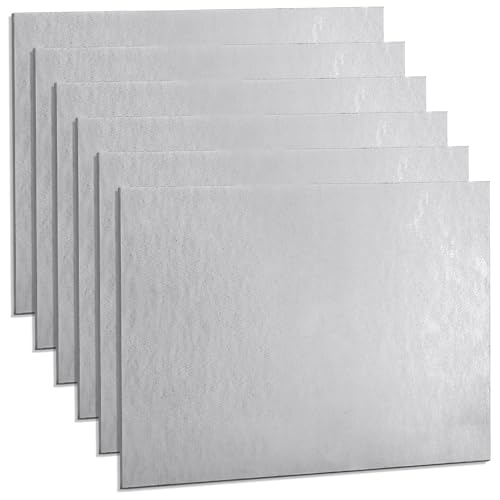
Best for: heavier-duty applications, such as reinforcement panels or subframe components where rigidity matters. The six-pack offers substantial quantity for larger projects. Limitation: 16 gauge is thicker to cut and weld, necessitating appropriate tools and experience. Selection tip: choose if your project demands robust panels with higher impact resistance.
Buying Guide
What gauge should you choose for car projects? For light fabrications and patches, 20–18 gauge is common and easier to work with. For structural supports or load-bearing brackets, 16–18 gauge provides better rigidity, but requires stronger tools. How to select the right size? Measure the panel area needed and add extra for cuts and bends. Are coatings important? Some sheets ship with protective oils; clean before welding or painting. What about material choice? Cold-rolled steel offers good dimensional stability and weldability; aluminum is lighter and corrosion resistant but behaves differently in welding. Consider your project scope, tools, and skill level when selecting.
Frequently Asked Questions
- What is the difference between 18 gauge and 20 gauge steel sheets?
– 18 gauge is thicker and stronger, offering better rigidity for panels and brackets; 20 gauge is lighter and easier to cut for quick patches and prototypes. - Can these sheets be welded easily?
– Yes, all listed sheets are designed for weldability with common welding methods, though heat management and technique matter for best results. - Are these sheets suitable for automotive chassis work?
– They can be used for light to moderate chassis components and patches, with thicker gauges preferred for main structural parts. - Do these sheets require finishing after cutting?
– Finishing steps like deburring, grinding, painting, or plating improve durability and appearance, depending on the project. - Which size is best for small repair patches?
– 12″ x 6″ or 12″ x 9″ sheets are convenient for small patches and brackets on various car models. - Is aluminum a better choice than steel for performance projects?
– Aluminum is lighter and corrosion resistant but welds differently and costs more; steel is typically easier and cheaper for typical car repairs and fabrications.