Best Shock Extenders for Lifted Trucks: Durable Front and Rear Extensions for 2-5 Inch Lifts 2026
Answering the need for reliable lift-compatible shock extenders, this guide highlights five well-matched options for lifted trucks. The featured products are best for owners who want to maintain factory ride feel while avoiding shock overextension after a lift. Suitable buyers include DIY enthusiasts, daily drivers with modest lifts, and off-roaders seeking simple bolt-on solutions without welding. The following summary table offers quick comparisons of key features and intended vehicle fit.
| Product | Best For | Lift Range | Notes |
|---|---|---|---|
| KSP Rear Silverado Shock Extender | Owners of 1999-2026 Silverado/Sierra 1500 | 2-4 inches | Two brackets, rust-resistant coating |
| KSP Front Shock Extenders | 8-lug heavy-duty trucks | 1-3 inches | Direct bolt-on, no drilling |
| Tuningsworld 3-5 in Front/Rear Extenders | Older Silverado/Sierra C1500 models | 3-5 inches | Leveling and safety improvements |
| Wsays Rear Shock Extension Kit | Chevy Silverado Tahoe Suburban 1500, Sierra Yukon XL | 2-3 inches | Powder-coated steel, factory-length shocks preserved |
| SHLPDFM 2-Pc Front Extenders | GMC Sierra and Chevy Silverado 1999-2007 4WD | 2-4 inches | CNC laser-cut, powder-coated |
KSP Rear Silverado Shock Extender For 2-4″ Lift

Best for Silverado/Sierra 1500 models from 1999 to 2026. These CNC-machined steel brackets feature a black powder-coated surface to resist rust. They are designed for easy installation without cutting or welding and preserve the use of factory shock absorbers while maintaining ride quality. Suitable for trucks that need a rear lift extension without altering front suspension geometry. A potential limitation is compatibility with non-Silverado/Sierra 1500 platforms outside the listed range.
KSP Front Shock Extenders For 8-Lug Trucks
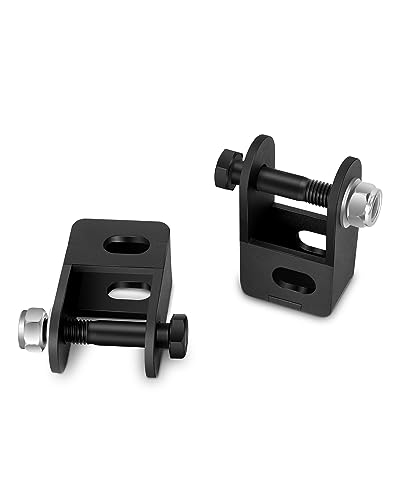
Best for 8-lug heavy-duty trucks with 1-3 inch front lift. The kit includes two brackets, two bolts, and two nuts, and installs directly to the shock mounts without cutting or drilling. Made from thickened steel with a black powder coat for rust resistance. Better for trucks that require front-end lift alignment without altering the factory shocks; avoid if your application falls outside 1-3 inches or 8-lug configurations.
Tuningsworld 3”-5” Shock Extenders

Best for older GMC Sierra C1500 and Chevy Silverado C1500 1988-1998 models needing a larger 3-5 inch lift. These extenders correct shock length and angles to prevent overextension and premature wear. They help level the rear when the front remains lower, preserving ride quality. A limitation is that they target older, specific model years; verify fitment before purchase.
Wsays Rear Shock Extension Kit

Best for 1999-2026 Chevy Silverado Tahoe Suburban 1500, GMC Sierra Yukon XL, and Cadillac Escalade. This kit uses heavy-duty steel with a black powder-coated finish, designed to preserve factory shock length when mounting a rear lift block. It suits drivers who want a straightforward, bolt-on approach. Limitation: compatibility should be confirmed with your exact model and lift setup to ensure front-to-rear proportionality.
SHLPDFM 2-Pc Front Shock Extenders

Best for GMC Sierra and Chevy Silverado 1999-2007 4WD models with 2-4 inch front lifts. These extenders are CNC laser-cut from A36 steel and powder-coated black for durability and corrosion resistance. They are designed to cooperate with factory shocks, offering a cost-effective way to regain proper shock geometry. A potential limitation is the focus on earlier 1999-2007 front-end configurations; verify your fit before buying.
Buying Guide: Key Considerations For Shock Extenders
When selecting shock extenders for a lifted truck, consider how they affect ride quality, articulation, and long-term component wear. Here are practical questions and answers to guide your choice.
- What lift range should I target? Choose extenders that match your actual lift height, typically 2-4 inches for most light-to-mid lifts and 3-5 inches for more aggressive setups. Avoid extenders outside your lift range to prevent shock misalignment.
- Do I need a bolt-on installation? If you prefer no drilling or cutting, look for kits marketed as direct bolt-on with factory bolt patterns and included hardware.
- Are these compatible with factory shocks? Many extenders preserve factory shocks, but verify length compatibility to avoid premature wear or bottoming out.
- What materials are most durable? Steel with a powder-coated finish offers rust resistance and long-term durability in off-road or variable-weather environments.
- Should I choose front or rear extenders? Front extenders help with leveling and ride balance when front lifts exist, while rear extenders commonly address rear block lift alignment and shock length.
- Will these affect warranty or alignment? Installation can influence ride characteristics; consult your vehicle’s warranty terms and consider a professional alignment if you notice changed toe or camber after installation.
FAQ
- What is the typical benefit of using shock extenders on a lifted truck?
They restore proper shock travel by correcting length and angle, helping maintain ride quality and preventing shock overextension.
- Can I install shock extenders myself?
Yes, many extenders are designed for bolt-on installation without cutting or welding, but review the included instructions and ensure you have basic hand tools.
- Will extenders affect stock warranties?
Warranties vary by manufacturer and vehicle; check with the OEM and extender maker for coverage details on lifted configurations.
- Do extenders require new shocks?
Not always. Some kits are designed to work with factory shocks; others may recommend compatible replacements if the shocks are near end-of-life after lifting.
- How do I verify fitment for my truck model?
Cross-check the product’s listed vehicle fitment with your exact year, make, model, and lift height. If in doubt, contact the seller for confirmation before purchase.
- Are front extenders better than rear extenders?
It depends on your lift configuration. Front extenders address front-end geometry, while rear extenders focus on maintaining proportional ride height and preventing rear shock overextension.