Best Synthetic Oil for Cars: Top 5 High-Quality Options for Longevity 2026
Finding the right synthetic oil depends on your engine age, mileage, and driving style. This guide highlights five top options that are widely compatible with modern engines and designed to protect performance. Best for high-mileage vehicles, long-drain users, and enthusiasts seeking strong wear protection, these picks use synthetic blends or full synthetic formulas to reduce deposits, leaks, and engine wear. This overview helps you compare formulations, durability, and suitability for different mileage profiles.
Summary at a glance: the table below outlines the five products chosen for this article, including brand, recommended use, and mileage focus. Use this to quickly compare the best-fit option for your vehicle and driving needs.
| Product | Brand | Mileage Focus | Best For |
|---|---|---|---|
| Valvoline High Mileage with MaxLife Technology SAE 5W-20 Synthetic Blend Motor Oil 5 QT | Valvoline | 75,000+ miles | Max life protection with seal conditioners |
| Mobil 1 High Mileage Full Synthetic Motor Oil 0W-20 | Mobil | Over 75,000 miles | Long intervals, wear protection, and fuel economy |
| Valvoline MaxLife High Mileage Full Synthetic 5W-20 | Valvoline | 75,000+ miles | Seal conditioners and strong wear defense |
| Mobil 1 European Car Formula Full Synthetic Motor Oil 0W-40 | Mobil | European or high-stress engines | Longevity and oxidation control |
| Castrol GTX Full Synthetic 5W-20 | Castrol | All high-performance engines | Wear protection and sludge defense |
Valvoline High Mileage With MaxLife Technology 5W-20 5 QT
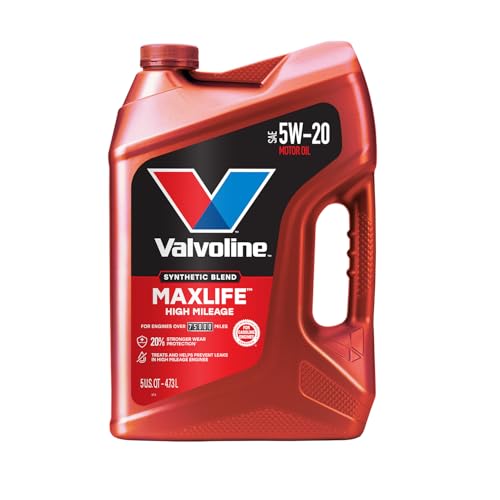
This synthetic blend is designed for engines with substantial mileage. Best for owners seeking extra protection against wear and leaks in aging engines. The MaxLife Technology claims 40% better wear protection than industry standards and includes seal conditioners to reduce oil consumption and leaks. Added detergents target sludge and deposits for a cleaner engine interior. Use this option if you drive a high-mileage vehicle and want a budget-friendly synthetic blend with strong longevity support.
Who it’s best for: drivers with older engines showing minor leaks or oil consumption, and those seeking a balance of protection and value. Caution: as a blend, it may not offer the same performance edge as full synthetic in extreme conditions.
Mobil 1 High Mileage Full Synthetic 0W-20

Designed for engines with over 75,000 miles, this full synthetic 0W-20 oil supports long intervals between changes—up to 10,000 miles when conditions permit. It uses Mobil 1’s Triple Action Formula to deliver engine performance, protection, and cleanliness, while meeting ILSAC GF-6 standards for LSPI and timing chain wear resistance. This option is well-suited for drivers who prioritize maximum reliability and fuel economy with a modern formulation.
Who it’s best for: daily commuters and highway drivers with high-mileage engines seeking a proven full synthetic that supports long-change intervals. Caution: 0W-20 may not be ideal in extremely cold climates if your vehicle’s manufacturer specifies a different viscosity at startup.
Valvoline MaxLife High Mileage Full Synthetic 5W-20

Valvoline MaxLife Full Synthetic is targeted at engines with 75,000 miles or more. It emphasizes seal conditioners to help prevent leaks and reduce oil consumption, while delivering stronger wear protection—about 50% higher than industry standards. Extra detergents safeguard against friction, corrosion, and deposits, helping to maintain cleaner high-mileage engines. Choose this when you want robust protection specifically for aging engines with a focus on longevity.
Who it’s best for: drivers seeking the strongest wear defense for high-mileage engines and improved fuel economy. Caution: full synthetic pricing can be higher than blends; assess long-term value for your budget.
Castrol GTX Full Synthetic 5W-20

Castrol GTX Full Synthetic 5W-20 is built to provide strong wear protection and sludge defense. It claims 6X better wear protection on critical engine parts, 1.3X better sludge protection, and 3X stronger viscosity stability versus leading full synthetic oils. This makes it a solid pick for drivers who want maximum protection against deposits and wear while maintaining consistent viscosity under demanding conditions.
Who it’s best for: performance-focused drivers and those who operate in environments with challenging temperatures or heavy stop-and-go driving. Caution: higher wear protection claims may depend on proper engine maintenance and regular oil changes.
Valvoline MaxLife High Mileage 5W-30 Synthetic Blend
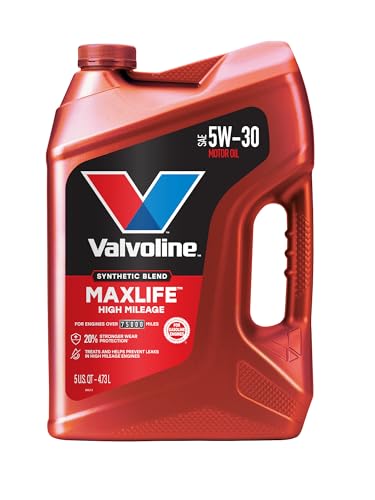
This synthetic blend focuses on engines with 75,000 miles or more, featuring seal conditioners to help prevent leaks and reduce oil consumption. It also offers 20% better wear protection and 15% better sludge defense than industry standards, supporting defense against friction and deposits. Extra detergents help keep high-mileage engines clean for longer, making it a practical option for routine maintenance.
Who it’s best for: budget-conscious buyers needing reliable high-mileage protection with improved sludge and wear defenses. Caution: performance may vary if the engine has severe leaks or major mechanical issues before treatment.
Castrol GTX Full Synthetic 0W-20

Castrol GTX Full Synthetic 0W-20 emphasizes strong wear protection with 6X improvements on critical engine parts, plus enhanced sludge protection and stability against viscosity breakdown. This makes it a versatile option for modern engines that require efficiency and reliable performance across seasonal temperatures. It is particularly suitable for compact and mid-size vehicles designed for 0W-20 viscosity.
Who it’s best for: drivers seeking balanced protection for fuel efficiency and engine cleanliness in a variety of conditions. Caution: 0W-20 viscosity should align with manufacturer specifications for startup temperatures and climate considerations.
Buying Guide: How To Choose The Right Synthetic Oil
- Engine age and mileage: High-mileage engines often benefit from oils with seal conditioners and enhanced wear protection. Look for “High Mileage” or “MaxLife” on the label.
- Viscosity: Follow vehicle manufacturer recommendations. 0W-20 and 5W-20 are common for modern engines, while some contexts prefer 5W-30 or 5W-40 for higher temperature ranges or older engines.
- Full synthetic vs synthetic blend: Full synthetic generally offers better performance in extreme temperatures and longer drain intervals, but blends can provide good protection at a lower cost.
- Oil change intervals: Consider your driving patterns. Long highway trips may justify longer-change oils if the vehicle and oil type support it; city driving can demand more frequent changes.
- Detergents and deposit control: Oils with added detergents help prevent sludge and deposits, particularly important for engines with longer service intervals or seating issues.
- Leak prevention: Oils with seal conditioners can help reduce leaks in aging gaskets and seals. This is a key feature for high-mileage vehicles.
- EPC and compatibility: Ensure the oil meets industry standards (ILSAC GF-6, for example) or OEM specifications required by your vehicle.
Frequently Asked Questions
- What does “high mileage” oil mean? It is formulated for engines with many miles, often including seal conditioners to minimize leaks and additives to reduce oil consumption.
- Is synthetic oil better for older cars? In many cases, yes. Full synthetic can offer superior protection, cleaner engines, and longer change intervals, though blends are a cost-effective option.
- How often should I change synthetic oil? It depends on the oil type and vehicle. Some full synthetics support up to 10,000 miles under ideal conditions; always follow manufacturer guidelines.
- Can I mix brands? Mixing two different synthetic oils is generally discouraged unless advised by your vehicle’s manufacturer or a professional mechanic.
- Which oil protects against sludge best? Oils with strong detergents and deposit-control properties generally perform well in preventing sludge formation, especially in engines prone to buildup.
- Do high-mileage oils improve fuel economy? Some formulas claim modest gains in efficiency due to cleaner engines and reduced internal friction; results vary by vehicle and driving conditions.