Best Tire Sealants for Cars: Quick-Repair Solutions for Roadside Pull-Over Confidence 2026
If you’re shopping for a tire sealant to handle quick, roadside repairs, these products are designed to seal punctures and bead leaks on passenger cars and light SUVs. They’re best for drivers who want a temporary fix to get back on the road without changing a tire. This guide highlights five top options, explains who should choose each, and notes practical limitations so you can pick the right sealant for your vehicle and situation.
| Product | Brand | Size | Best For |
|---|---|---|---|
| Slime 10011 Flat Tire Puncture Repair Sealant | Slime | 16 oz | Emergency car punctures on highways |
| TireJect Full-Size Truck/SUV Sealant Kit (2-Pack with Injector) | TireJect | 2 x 16 oz (kit) | Bead leaks and tread punctures for larger vehicles |
| Fix-A-Flat S60420 Aerosol Emergency Repair | Fix-A-Flat | 16 oz | Fast, easy emergency seal and inflate |
| Woowind Tire Sealant Instant Repair Kit | Woowind | 15.22 oz | All-weather puncture sealing for cars, trucks, SUVs |
| Slime 10193 Tire and Tube Sealant 2-in-1 | Slime | 16 oz | Prevention and repair for tires and tubes |
Slime 10011 Flat Tire Puncture Repair Sealant

Best for: drivers who want a quick, temporary fix on cars or small SUVs with a standard puncture up to 1/4 inch. Slime’s Fibro-Seal Technology directs sealant particles to the puncture as air escapes, creating a flexible plug that can hold until a tire is serviced. Use with an air source for emergency repair on highway vehicles.
Why chosen: it’s a widely available, easy-to-use option designed for small-to-medium punctures. It works with standard tire pressures and is formulated for automotive use without toxins.
Caution: this is intended as temporary repair; remove and replace the tire when feasible. Not ideal for large punctures or structural tire damage.
TireJect Full-Size Truck/SUV Sealant Kit

Best for: larger passenger vehicles and SUVs that face bead leaks or tread punctures. The kit combines a durable long-lasting seal with aramid fiber plugs to reinforce the seal from the inside, and it’s designed to be safe for TPMS sensors.
Why chosen: it offers a robust, two-part approach—sealant plus a reinforcing plug—to handle tougher puncture scenarios than standard sprays. It’s particularly suitable for drivers who want a reliable, portable kit for road trips.
Caution: intended for emergency use; drivers should verify puncture type and avoid driving long distances on a compromised tire without professional inspection.
Fix-A-Flat S60420 Aerosol Emergency Seal & Inflator

Best for: quick, one-step emergency tire repair that also inflates the tire, suitable for standard tires on most cars. The formula is designed to seal small tread punctures up to 1/4 inch in diameter within seconds, providing temporary lift to help move the vehicle.
Why chosen: simple, well-established solution for roadside emergencies with a long history of consumer use. The 16 oz can offers portability and ease of use for a single repair session.
Caution: temporary fix only; driving after inflation should be done with care, and replacement or repair should occur promptly to restore tire integrity.
Woowind Tire Sealant Instant Repair Kit

Best for: cars, trucks, and SUVs that need a fast, all-weather puncture fix. The kit’s formula seals punctures up to about 0.236 inch and is designed to be TPMS-safe, with a valve-through design that reduces clogging.
Why chosen: its all-weather performance—effective from cold to hot conditions—and TPMS compatibility make it a flexible choice for year-round use. The design supports easy application through the valve stem.
Caution: like other sealants, it’s a temporary repair; ensure professional inspection if a tire remains underinflated or shows persistent leaks.
Slime 10193 Tire And Tube Sealant 2-in-1
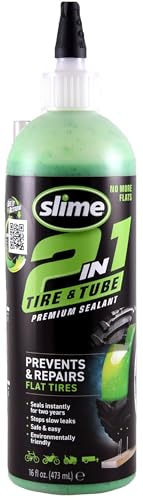
Best for: both tires and inner tubes; a 2-in-1 formulation offers preventive protection and immediate sealing for non-highway tires. It aims to stop slow leaks and seal punctures up to 1/4 inch in tires and 1/8 inch in tubes.
Why chosen: this option targets off-road or non-highway scenarios where tubes may be present, providing added versatility for multi-vehicle households or off-road enthusiasts.
Caution: intended for temporary, emergency use; pre-installation may provide better protection on some tubes and tires, but long-term use requires inspection and possible replacement.
Buying Guide: Tire Sealant Essentials
- What sealant is best for my vehicle type? For cars and light SUVs, look for products rated for tread punctures up to 1/4 inch. For trucks or larger vehicles, consider products designed to seal bead leaks and provide reinforced plugs.
- Temporary fix or all-season solution? Most sealants are temporary. If you drive long distances or at highway speeds, plan professional tire service after a temporary repair.
- TPMS compatibility matters. Choose formulas labeled TPMS-safe to avoid sensor clogging or false readings.
- Application method. Some products come as sprays, while others require injectors or adapters. Follow the included instructions to ensure proper sealing and inflations.
- Vehicle impact. For vehicles with alloy wheels or sensitive rims, avoid aggressive sealants that might interact with rim materials. Use products with gentle chemistry when possible.
- Storage and shelf life. Store in a cool, dry place and check expiry dates; some products are designed for emergency spares and may lose effectiveness over time.
Frequently Asked Questions
- How long does a tire sealant typically last? Most sealants provide temporary sealing for hours to days; however, durability depends on puncture size, tire pressure, and driving conditions.
- Can tire sealants fix sidewall damage? No. Sealants seal punctures in the tread area; sidewall tears require professional tire replacement.
- Will sealants cause TPMS problems? Some formulas are TPMS-safe; always verify product notes and avoid clogging sensors.
- Should I drive after applying sealant? Yes, but limit driving distance and speeds as a temporary measure, then seek professional tire service.
- Are sealants safe for all wheel types? Most are designed to be safe for common alloy and steel wheels, but some formulas may affect bead seating on certain rims—check product guidance.
- Do these products require an air compressor? Several options are paired with inflation capabilities; others require a separate air source to complete the repair.