Best UV Tint for Cars: Top Nano-Ceramic Window Films for 2026
UV tint for cars is a smart way to protect skin, reduce interior fading, and keep cabin temperatures comfortable. This guide highlights five top nano-ceramic and carbon window films suited for American drivers who want strong UV protection without interfering with radios or GPS. Each option targets different needs, from maximum UV blocking to privacy and heat reduction. Read on to compare practicality, installation, and suitability for your vehicle type and climate.
Buyer overview: The following table summarizes key traits of the five selected products, focusing on UV protection level, material type, typical VLT range, and installation notes. Use this as a quick reference when deciding which film best matches your priorities (privacy, heat control, or electronics compatibility).
| Product | Material | VLT Range | Best For | Notes |
|---|---|---|---|---|
| SW 80% VLT Nano Ceramic Car Front Window Film | Nano Ceramic | 80% VLT | Daily drivers seeking balanced visibility and UV blocking | High heat dissipation, non-metallized |
| RockRose 5% Premium Carbon Car Window Tint Film | Carbon Film | 5% VLT | Maximum privacy and heat reduction | 2-ply design, wide installation coverage |
| PAMAGOO Window Tint Car 20% VLT | Ceramic | 20% VLT | Privacy with strong UV/IR blocking | Adhesive-free for easier installation |
| PAMAGOO Window Tint Car 35% VLT | Ceramic | 35% VLT | Balanced privacy and visibility | Scratch resistant, straightforward installation |
| Vepagoo Ceramic Car Window Tint Film 20% VLT | Ceramic | 20% VLT | One-way daytime privacy and low signal interference | Good heat and glare reduction |
SW 80% VLT Nano Ceramic Car Front Window Film
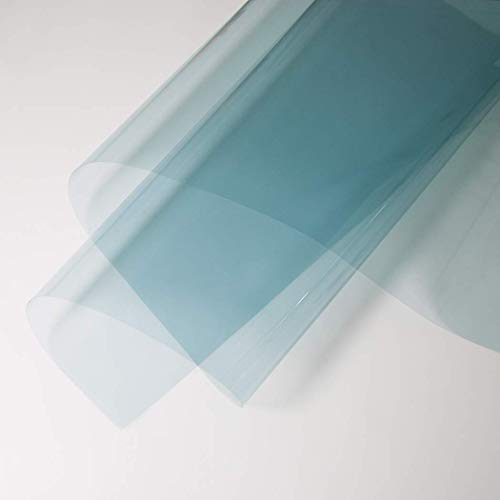
Brand: SW. This nano-ceramic film blocks 99% of UV rays while reducing interior heat, helping protect skin, fabrics, and dashboards. It uses a two-ply design with a scratch-resistant coating to minimize fading, peeling, or bubbling over years of use. Best for daily drivers that prioritize sun protection and radio/GPS clarity due to its non-metallized construction. A potential limitation is that extremely dark legal limits may apply in some jurisdictions; check local tint laws before installation.
RockRose 5% Premium Carbon Car Window Tint Film

Brand: RockRose. This 2-ply carbon film blocks up to 99% UV and cuts infrared radiation by up to 55%, delivering a cooler interior and enhanced privacy. The sleek black finish suits many car aesthetics and the film is available in multiple shades for flexible privacy control. Use this if maximum privacy and heat rejection are priorities; the darker shade may reduce night visibility, so consider local laws and your comfort with lower visibility at night.
PAMAGOO Window Tint Car 20% VLT

Brand: PAMAGOO. This adhesive-free ceramic film simplifies installation and provides strong UV and infrared blocking to protect skin and upholstery. It features scratch resistance and maintains clear visibility while reducing interior heat. Choose this if you want an install-friendly, mid-range tint with robust protection and lower risk of adhesive issues. A limitation could be slightly lower night visibility in very bright urban environments; ensure your local regulations align with 20% VLT levels.
PAMAGOO Window Tint Car 35% VLT

Brand: PAMAGOO. The 35% VLT option offers a balanced approach between privacy and daytime visibility, with ceramic durability and scratch resistance. It includes a straightforward installation process and provides UV and infrared blocking to help keep interiors cooler and upholstery protected. It is a solid pick for drivers who drive both day and night and want a versatile tint that performs well across lighting conditions. Note that higher VLTs offer less privacy in bright urban settings.
Vepagoo Ceramic Car Window Tint Film 20% VLT
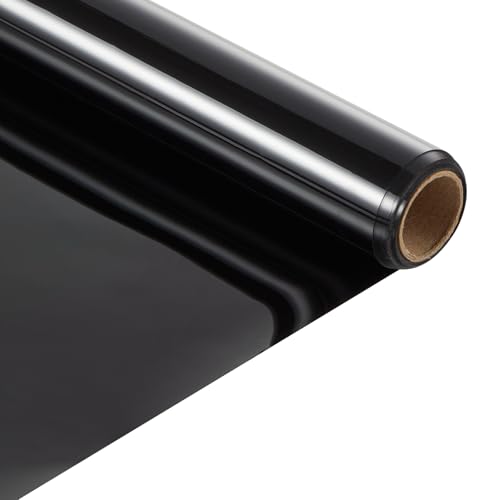
Brand: Vepagoo. This ceramic tint offers one-way daytime privacy and strong heat and glare reduction. It is designed to avoid signal interference with GPS and mobile devices, making it suitable for drivers who stay connected. Best for those who want a cooler cabin and clear device reception. A potential limitation is that true one-way privacy performance may vary by vehicle and lighting; verify how it looks from the outside at night in your vehicle’s usual parking scenarios.
Buying Guide
What should I consider before buying UV window tint for a car?
- UV Blocking vs. Visible Light Transmission (VLT): Higher UV protection reduces skin risk and interior fading, while VLT determines how much tint you can see through from inside and outside. Choose based on local laws and privacy needs.
- Material Type: Ceramic films offer strong UV/heat protection without metal interference to radios and devices; carbon films provide good privacy and heat rejection, often at a lower cost.
- Installation Type: Adhesive-free options can simplify installation and reduce adhesive issues, but double-check the included tools and instructions for your vehicle type.
- Heat Rejection: Infrared blocking translates to a cooler cabin and lower AC usage. If you live in hot climates, prioritize higher IR rejection.
- Privacy vs. Visibility: Darker tints increase privacy but can reduce night-time visibility. Balance with your comfort and local regulations.
Practical Tips for Choosing
- Start with a mid-range VLT (around 20–35%) for a balance of privacy and visibility in most cities.
- Consider a nano-ceramic film for minimal signal interference and good UV/IR protection.
- Check your vehicle’s windows compatibility and any warranty implications before installation.
FAQ
- What is the best UV tint for sun protection?
– Nano-ceramic and carbon films typically offer strong UV blocking; look for claims like 99% UV block or similar. - Will tint affect GPS or radio signals?
– Non-metallized films are designed to avoid interference; confirm this with the product description. - Can I install tint myself, or should I hire a pro?
– Adhesive-free options can be DIY-friendly; however, complex curves or warranties may benefit from professional installation. - How dark is 5% or 20% VLT?
– A lower VLT means darker tint and greater privacy but reduced night visibility; ensure compliance with local laws. - Does tinting reduce interior heat effectively?
– Yes, especially films that block infrared radiation; results vary by film type and climate. - Are tinted windows legal in all states?
– Regulations vary by state and country; verify local tint laws before purchase and installation.