Best Leather for Auto Upholstery: Durable, Easy-to-Work Options for Your Car Interior 2026
This guide helps buyers choose durable, automotive-friendly leather and leather-like materials. It focuses on top options for car seats, headliners, and trim that resist wear, moisture, and UV exposure. The selections below are wired for auto upholstery needs, offering strong seams, workable textures, and long-lasting finishes. Each product is best for specific scenarios—from marine-grade vinyl for outdoor or moisture-prone areas to repair patches for quick fixes. A quick buying table is provided to compare core traits at a glance.
| Product | Best For | Key Feature |
|---|---|---|
| SARANDAVE Marine Vinyl Fabric, 1 Yard | Outdoor or boat-to-car applications; smaller projects | UV and water-resistant marine-grade vinyl |
| Meneng Marine Vinyl Upholstery Faux Leather | Car interiors and outdoor upholstery; long panels | 54″ x 36″ marine vinyl with lichee texture |
| Lifeshoon Leather Repair Patch | Repairing holes, scratches, and worn areas | Self-adhesive, large 17″ x 79″ patch |
| The Tannery NYC Premium Genuine Leather Hides | Full-grain upholstery and premium project skins | High-quality cowhide with natural grain |
| FINDUFA 80″ x 54″ Faux Leather Fabric | Vehicle interior panels, seats, and headboards | Soft, lightweight faux leather with waterproof coating |
SARANDAVE Marine Vinyl Fabric For Auto Upholstery

Best for: small auto upfit projects or boat-to-car transitions where outdoor durability matters. This marine-grade vinyl fabric is UV, sunlight, abrasion, and water resistant, helping seats and panels resist fading andwear. The fabric comes in a wide 54-inch width and is sold by the yard, making it convenient for single-seat repairs or small panels. Use this when you need a durable, water-ready surface with a straightforward cut-and-sew workflow. Caution: marine vinyl can be stiffer than domestic upholstery vinyl, which may affect flexibility on tight curves.
TIANLDD Leather Repair Tape (Black-Litchi Grain)

Best for: quick, wide-area repairs on leather furniture or automotive interiors where a patch can blend with texture. The patch is self-adhesive, requires no heat, and is designed for large surface coverage with a 0.7mm thickness. It resists water and abrasion, making it suitable for headrests or armrests with minor damage. Limitation: surface prep must be clean and dry for best adhesion, and seam matching may be imperfect on very textured hides.
Lifeshoon Leather Repair Patch 17″ x 79″

Best for: refurbishing larger leather areas in cars, SUVs, or home furniture. The patch is large and self-adhesive, providing a quick fix for broad scratches, holes, or wear without replacing full panels. It’s especially useful when color matching is acceptable, and the patch can be trimmed to fit irregular shapes. Caution: color matching may vary due to natural leather variances, and texture alignment may require trimming for seams.
The Tannery NYC Premium Genuine Leather Hides
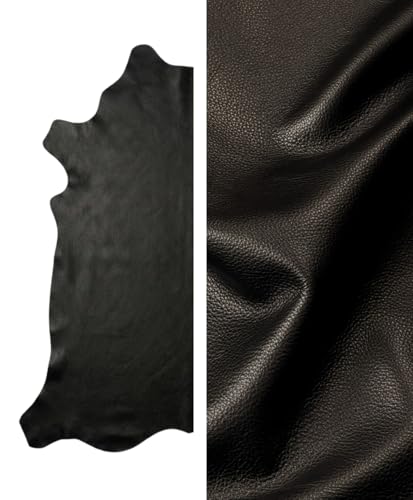
Best for: serious upholstery projects where premium texture, color consistency, and durability are required. These full-grain cowhide hides provide a natural finish with an even color baseline. They are best for high-end auto interiors, where subtle grain and durability matter. Limitation: hides vary naturally; expect occasional brand marks or small holes, which may require selective use or trimming to maintain a uniform look.
FINDUFA Faux Leather Fabric, 80″ x 54″

Best for: vehicle interior panels, seats, and headboards where a soft, waterproof faux leather is suitable. It features a vinyl/PVC blend with a waterproof coating, offering easy cleaning and long-lasting durability. This option is better for plans requiring larger panels and less perceptible texture than natural leather. Choose this if you want a more economical, water-resistant alternative with practical maintenance. Caution: faux leather may not have the same patina or breathability as genuine leather over many years of use.
Buying Guide: Key Considerations For Auto Upholstery Materials
Material type matters: genuine leather, marine vinyl, and faux leather each have distinct benefits depending on climate, wear, and maintenance needs. For cars exposed to sun, consider UV resistance and colorfast finishes to minimize fading. For panels near moisture, choose water-resistant and easy-to-clean options. Availability, ease of sewing, and cut length affect project scope and waste, so select widths and yardage that match your planned design.
Durability vs. flexibility: full-grain leather offers durability and a premium feel but can be less forgiving on tight curves. Vinyl options deliver rugged performance and easier cleaning, while faux leathers provide cost-effective replacements with good resilience. Assess your vehicle’s interior environment and anticipated use to balance texture, maintenance, and longevity.
Repair vs. replace: leather patches and repair kits are ideal for localized damage or budget-conscious refreshes. For widespread wear, a new panel or full hide may be more economical and visually consistent. Consider color matching challenges when selecting patches, and plan trims to conceal edges and seams for a cohesive look.
Installation considerations: ensure you have compatible tools (stitching gear, sewing machines, or adhesives) and appropriate backing materials. Some marine vinyls stitch well with standard upholstery machines, while others may require stronger needle types or seam sealants. If you’re unsure about sewing on specific materials, consult a professional or test a scrap sample first.
Frequently Asked Questions
- What’s the best material for car seats in hot climates?
– Marine vinyl and high-quality faux leathers offer heat resistance and easy cleaning, making them practical in sunny environments. - Are leather patches good for repairing car interiors?
– Yes, for localized damage. They’re quick to apply and can cover holes or scratches, though color matching and texture alignment are considerations. - Can I use genuine leather hides for car seats?
– Yes, for premium interiors where durability and natural grain are desired, but expect higher cost and need for skilled installation. - Is faux leather a durable alternative to genuine leather?
– It can be durable and cost-effective, with waterproof coatings and easy maintenance, though it may not age with the same patina as real leather. - What should I know about vinyl for auto upholstery?
– Vinyl is strong, easy to clean, and versatile, but some options can be less flexible at curves; choose width and thickness accordingly. - Do these products require professional installation?
– Some projects benefit from professional upholstery skills, especially on complex shapes or full-seat replacements; others can be DIY with careful planning and testing.